Product copy7 min readFinal draft,
Product copy for adult ecommerce: specific, safe for work and supportable
Most adult product pages say too little of what buyers need and too much of what they do not. This note builds a product page from the top down, from the title to the delivery note, showing where specifics replace praise and where every claim needs something behind it.
§1Title: brand plus what it is
A product title should make sense to someone who has never heard of the brand: the name, then the type, then the one detail that distinguishes it. "[Brand] Quiet Bullet Vibrator, Silicone, Rechargeable" tells a searcher and a shopper far more than the brand name alone. Keep it safe for work; titles appear in search results, feeds and order emails.
§2The first line sells, the rest informs
The opening sentence should say who the product suits and why, in plain words. Everything after it can be reference material. Buyers skim, so the first line carries the most weight.
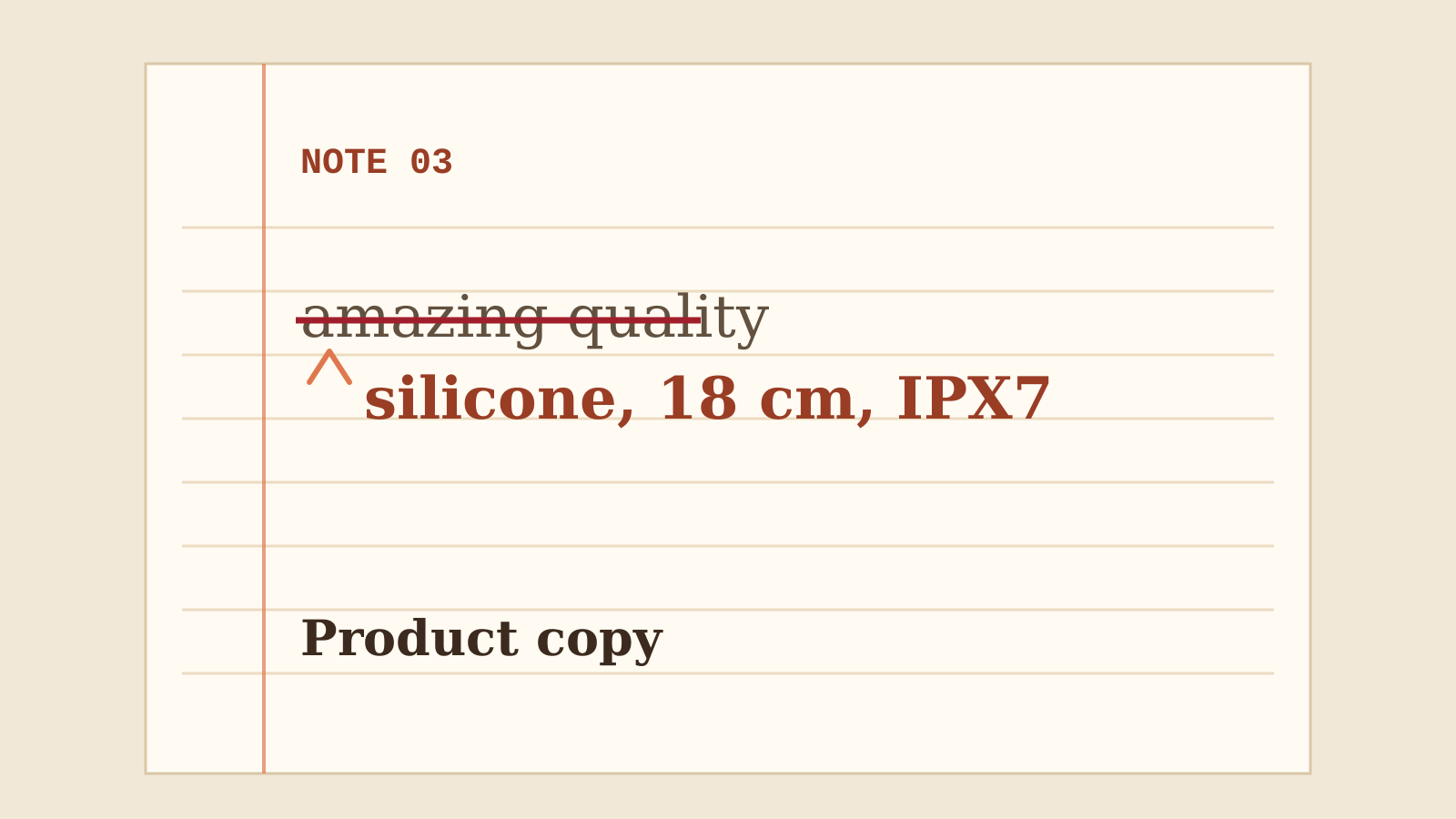
Experience amazing sensations with this premium toy. A small, quiet vibrator for beginners, easy to clean and charged by USB.
Ed.Say who it suits. "Premium" says nothing a buyer can check.
§3Specifications, not superlatives
| Instead of | Write |
|---|---|
| Rated IPX7: survives brief submersion; check the maker's guidance before use in a bath | |
| About 90 minutes per charge (maker's figure), USB recharge in 2 hours | |
| Measured noise level, if the maker publishes one; otherwise, "quieter than [model]" only if you have tested it | |
| Length, width and insertable length in centimeters and inches |
The battery and timing figures above are placeholders; use the maker's own specification for each product.
§4Claims need something behind them
Under FTC rules, claims need evidence before they are made, and health or safety claims generally need competent and reliable scientific evidence. "Body-safe", "phthalate-free" and "medical-grade" are claims. Use them only with material data or test results you can produce, and name the material rather than relying on the label. The fuller explanation is on adult copywriting.
§5Care, delivery and returns
Finish with the practical: how to clean and store it, which lubricants suit the material, how the parcel is packed and labeled, what name appears on the card statement, and the returns policy for intimate items. These answers stop questions reaching support and reassure first-time buyers. Search intent behind product pages is covered in our note on search intent.
§6A full description, laid out
- Title: brand, product type, one distinguishing detail.
- First line: who it suits and why, in a sentence.
- Key facts: material, size in inches and centimeters, power and charging, noise, water rating.
- How it is used: two or three plain sentences, safe for work.
- Care: cleaning, compatible lubricants, storage.
- Practical: what is in the box, warranty, discreet delivery and returns.
The same order on every product helps shoppers compare and helps search engines and AI tools read the facts.
§7Writing for different shoppers
A first-time buyer, a returning enthusiast and someone buying a gift want different things from the same page. The first line and the facts serve all three; after that, a short line for each can help: what beginners should know, what experienced buyers will notice, and what makes it a good gift. Keep each line honest and specific. Avoid assuming the buyer's gender, body or relationship, unless the product is genuinely made for one group.
§8Words that cause trouble
| Word or phrase | Problem | Better |
|---|---|---|
| Medical grade | Often used loosely without a standard behind it | Name the material and any certification you hold |
| Body safe | Means little without saying why | Non-porous silicone that can be fully cleaned |
| Whisper quiet | A claim with no measure | The decibel figure, if the maker tested it |
| Satisfaction or your money back | Can mislead if opened items cannot be returned | State the actual returns policy |
§9Variants, bundles and duplicates
Color and size variants often get a page each with the same text, which spreads attention across near-identical pages. Where variants differ only in colour, keep one page with a selector. Where they differ in size or function, give each its own description that explains the difference. Bundles need their own copy too: what is in the set, why it suits a particular buyer, and how it compares with buying the items separately.
§10Reviews on the product page
Show verified reviews, low ones included, and answer the critical ones calmly with facts. Never edit a review's meaning, reward only positive reviews, or post reviews yourself; the FTC's 2024 rule allows penalties for all three. A product with a mix of honest reviews and clear answers often converts better than one with a wall of five stars that shoppers do not believe.
§11A product copy audit
- List your 50 best-selling products and check each against the layout above.
- Mark descriptions copied from the supplier, missing facts and unsupported claims.
- Rewrite the top ten first, then measure organic visits and conversion for a month.
- Roll the approach out to the rest of the range, category by category.
For a full rewrite of the range, see our copywriting service.
§12Product copy and AI answers
Shoppers increasingly ask AI assistants which product to buy, and the answers draw on product pages that state their facts clearly. A page that gives the material, the size, the noise level and the care in plain, checkable terms is easier to quote accurately than one written in superlatives. That is another reason to write specifications, not slogans. It also means mistakes on your product pages can be repeated by AI tools, so accuracy matters more than ever.
§13Copy for marketplaces
If you sell on marketplaces as well as your own site, each listing needs copy written to that marketplace's rules, which often forbid explicit wording and images and limit claims. Do not paste your own description unchanged; rewrite it to fit the format and the rules, and keep your own site's version fuller. Identical text across your site and several marketplaces gives search engines little reason to send shoppers to your shop rather than a listing.
§14Where product copy fits in the shop
Product pages work best when the pages around them do their part. Category pages should help shoppers narrow the choice, guides should answer broader questions and link to the right products, and delivery, returns and privacy pages should answer the doubts that stop a purchase. Product copy then only has to do its own, narrower job: describe one product accurately and help the right buyer choose it. How to decide which searches each page should serve is set out in our guide to search intent content, and every rewrite starts from a content brief.
§15Keeping copy and stock in step
When a product is updated, discontinued or replaced, its page needs to change the same day. Out-of-date specifications cause returns and complaints, and discontinued products left live frustrate shoppers. Give one person the job of checking product pages whenever the range changes.
§16Background sources
Source organizations for this guide. Check their sites for the newest version.
QQuestions
How long should a product description be?
Long enough to answer the buyer's questions: what it is, what it is made of, how big, how it is powered and cleaned, and how it arrives. A few short paragraphs and a specification table usually do it.
Can we copy the manufacturer's description?
You can start from its facts, but rewrite it. Hundreds of shops use the same text, so it tells search engines nothing new, and it often carries claims you cannot check.
Should product names be descriptive or branded?
Both: the brand name plus what the product is, so a searcher who has never heard of the brand still understands the listing.